Some links on this site are affiliate links. We may earn a commission at no cost to you. Learn more.
Welding Safety Essentials: PPE and Best Practices
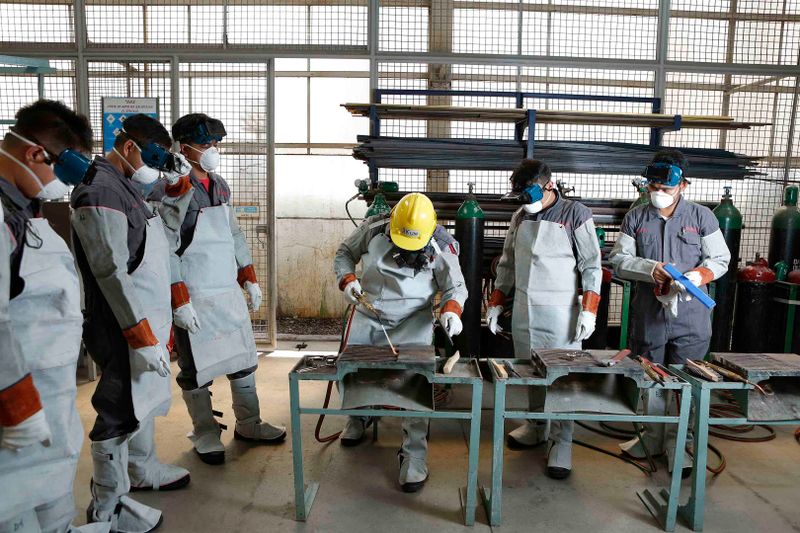
Welding Safety Essentials: PPE and Best Practices
Welding involves extreme heat, intense UV radiation, toxic fumes, and electrical hazards. Without proper protection, the consequences range from painful flash burns to long-term respiratory damage. Taking safety seriously is not optional — it is the difference between a long career and a short one.
This guide covers the personal protective equipment (PPE) you need and the best practices that keep you safe in any welding environment.
Why Welding Safety Matters
According to the Occupational Safety and Health Administration (OSHA), eye injuries account for roughly 25% of all welding-related emergency room visits. Arc flash, also known as photokeratitis, can cause temporary blindness and intense pain. Long-term exposure to welding fumes has been linked to Parkinson’s-like symptoms and lung cancer.
The good news is that nearly all welding injuries are preventable with the right gear and habits.
Essential Welding PPE
Welding Helmet
Your helmet is the most critical piece of safety equipment you will own. It protects your eyes from arc radiation and your face from sparks and spatter.
When choosing a helmet, look for:
- Auto-darkening lens with a switching speed of 1/10,000 of a second or faster
- Shade range of 9-13 for most welding processes
- ANSI Z87.1 certification for impact resistance
- Sensors — At least two arc sensors for reliable darkening; four is ideal
- Viewing size — Larger windows (3.85 x 2.5 inches or bigger) reduce neck strain
The Lincoln Electric Viking 3350 is an excellent mid-range helmet with a large viewing area and true-color technology.
Welding Gloves
Different processes demand different glove types:
- MIG welding gloves — Medium thickness with good dexterity. Deerskin or cowhide with a gauntlet cuff.
- TIG welding gloves — Thin, flexible goatskin or deerskin for fingertip control. Look for tight-fitting cuffs.
- Stick welding gloves — Heavy cowhide or elk skin with reinforced palms to handle high heat and spatter.
Always inspect gloves for holes, worn seams, or thinning leather before use. A good pair of Revco TIG gloves provides the dexterity needed for precision work.
Protective Clothing
- Welding jacket — Flame-resistant cotton or leather. Avoid synthetic materials like polyester, which can melt to your skin.
- Leather apron — Provides additional protection for your lap and chest during heavy grinding or overhead welding.
- Denim or cotton pants — No cuffs, no holes, and no rolled-up sleeves where sparks can collect.
- Steel-toe boots — Protect your feet from falling objects and hot slag. Leather uppers resist spark burns.
Respiratory Protection
Welding fumes contain metal oxides, ozone, and nitrogen dioxide. Breathing these contaminants causes both immediate and long-term health effects.
- Natural ventilation — Weld outdoors or in open bays whenever possible. Position yourself upwind of the fume plume.
- Extraction systems — Use a portable fume extractor for indoor welding. Position the hood within 6 inches of the arc.
- Respirators — When ventilation is insufficient, wear a NIOSH-approved respirator with P100 filters. Half-mask respirators work for most applications.
- Confined spaces — Always use supplied-air respirators in tanks, vessels, or enclosed areas.
Hearing Protection
Grinding, chipping slag, and plasma cutting produce noise levels above 85 decibels. Prolonged exposure causes permanent hearing loss. Use foam earplugs or earmuffs rated NRR 25 or higher.
Safety Glasses
Wear ANSI Z87.1 safety glasses under your helmet at all times. They protect against flying debris when you flip your helmet up between welds. Clear lenses work indoors; tinted lenses reduce glare outdoors.
Fire Prevention Best Practices
Welding sparks can travel up to 35 feet and ignite flammable materials. Follow these fire safety protocols:
- Clear the area — Remove paper, cardboard, solvents, rags, and any combustible materials within a 35-foot radius.
- Use fire blankets — Cover immovable flammable objects with welding blankets rated for your process.
- Have a fire extinguisher — Keep a Class ABC extinguisher within arm’s reach. Inspect it monthly and know how to use it.
- Post-fire watch — After welding, monitor the area for at least 30 minutes. Sparks can smolder in cracks and wall cavities before igniting.
- Check for hidden hazards — Look behind walls and above ceilings for flammable materials before welding near building surfaces.
Electrical Safety
Welding circuits carry enough current to cause fatal electrocution. Minimize electrical risks with these practices:
- Inspect cables daily — Replace any cables with cracked insulation, exposed conductors, or damaged connectors.
- Keep dry — Never weld on wet surfaces or while standing in water. Sweat-soaked clothing reduces skin resistance.
- Ground properly — Ensure the work clamp makes solid contact with clean, bare metal.
- Isolate the workpiece — Do not rest the work on conductive surfaces that could create a path to ground.
- Use GFCI protection — Plug your welder into a GFCI-protected outlet when working in damp conditions.
Ventilation and Fume Management
Different welding processes and materials produce different fume profiles:
| Material | Hazard | Protection Level |
|---|---|---|
| Mild steel | Iron oxide, manganese | Natural or mechanical ventilation |
| Stainless steel | Hexavalent chromium | Local exhaust + respirator |
| Galvanized steel | Zinc oxide (metal fume fever) | Forced ventilation + respirator |
| Aluminum | Aluminum oxide | Mechanical ventilation |
| Lead-coated metals | Lead | Supplied-air respirator |
Never weld on unknown metals without testing first. Cadmium-plated and beryllium-containing metals require specialized respiratory protection.
Safe Work Habits
Beyond gear, your daily habits determine your safety:
- Torch down, hood up — Never lift your hood while the arc is still on. Use the auto-darkening feature to check the puddle.
- Tie back long hair — Hair catches fire easily. Keep it secured under a welding cap.
- Remove jewelry — Rings, watches, and necklaces can conduct electricity or catch on equipment.
- Secure cylinders — Chain or strap all gas cylinders to a wall or cart. Never move a cylinder with the regulator attached.
- Follow lockout/tagout — De-energize and lock out equipment before performing maintenance.
First Aid for Common Welding Injuries
- Arc flash (flash burn) — Apply cold compresses to closed eyes. Seek medical attention if pain persists beyond 24 hours. Never rub your eyes.
- Burns — Run cool (not cold) water over minor burns for 10-20 minutes. Cover with a sterile dressing. Seek treatment for burns larger than 3 inches or on the face, hands, or joints.
- Fume inhalation — Move to fresh air immediately. If dizziness, nausea, or breathing difficulty occurs, seek medical help.
- Metal fume fever — Symptoms include chills, fever, and muscle aches 4-8 hours after exposure. Treat with rest and fluids. Consult a doctor if symptoms persist.
Final Thoughts
Welding safety comes down to two things: the right equipment and the right habits. Invest in quality PPE, maintain it properly, and never cut corners to save time. The few extra seconds it takes to put on your gear or check your ventilation could save your eyesight, your hearing, or your life.
Related Articles
Choosing the right welding helmet is one of the most important safety decisions you will make — the choosing the right welding helmet guide covers auto-darkening technology, shade ranges, sensor counts, and what separates a reliable helmet from a dangerous one. Stainless steel and galvanized work present elevated fume hazards that require specific respiratory protection — the welding stainless steel guide covers hexavalent chromium risks and the ventilation measures required for that material. Field welding environments introduce additional hazards compared to a controlled shop — the best portable welders for field work guide addresses how to maintain safety practices in outdoor and remote work conditions.

Frank Ciervo
Certified Welder & Founder of The Welder's Guide
Get our free Welding Safety Checklist — delivered to your inbox.
No spam. Unsubscribe anytime.
Recommended Product
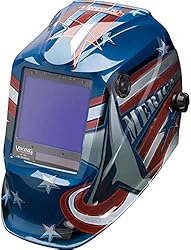
Lincoln Electric Viking 3350 Auto-Darkening Helmet
A premium auto-darkening welding helmet with 1/1/1/1 optical clarity, 4C lens technology, and a wide viewing area. Comfortable for all-day use.
- ✓ 4C lens technology
- ✓ 1/1/1/1 optical clarity
- ✓ Wide 12.5 sq in view
- ✓ Grind mode
As an Amazon Associate, we earn from qualifying purchases.
Get Your Free Welding Safety Checklist
Join thousands of readers. Expert tips and guides delivered to your inbox — no spam, ever.
No spam. Unsubscribe anytime. View our Privacy Policy.
Affiliate Disclosure
Some of the links on this page are affiliate links. If you click on one of these links and make a purchase, we may receive a small commission at no additional cost to you. This helps support our site and allows us to continue providing free content.
We only recommend products we believe in. All opinions are our own. We are a participant in the Amazon Services LLC Associates Program, an affiliate advertising program designed to provide a means for us to earn fees by linking to Amazon.com and affiliated sites.