Plasma Cutting vs Oxy-Fuel Cutting: Which Is Right for You?
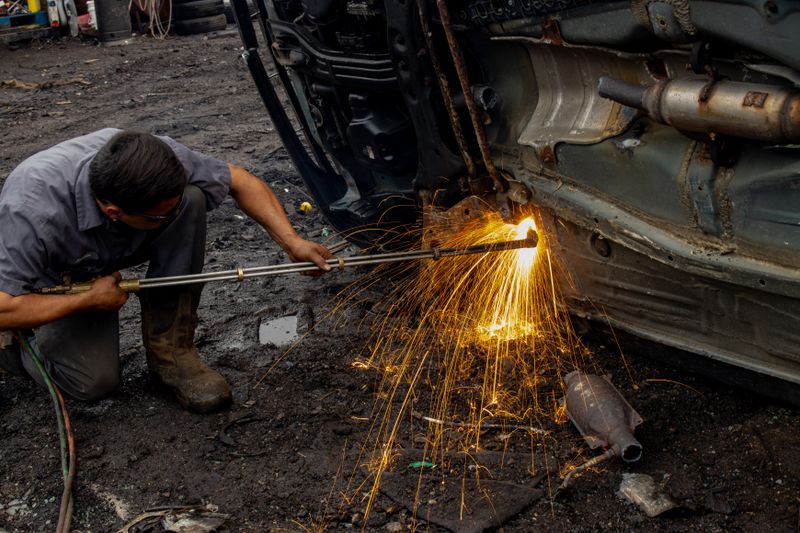
When it comes to cutting metal, two thermal cutting processes dominate the fabrication shop: plasma cutting and oxy-fuel cutting. Both use heat to sever metal, but they work on fundamentally different principles, and each has distinct advantages depending on your application, material, and budget.
This guide compares plasma and oxy-fuel cutting head to head so you can make an informed decision about which method — or which machine — is right for your work.
How Each Process Works
Plasma Cutting
Plasma cutting uses a high-velocity jet of ionized gas (plasma) delivered through a constricting nozzle to melt and blow away metal. The plasma arc reaches temperatures of up to 30,000°F, hot enough to cut through any electrically conductive material.
The process works by sending an electrical arc through a gas (compressed air is most common for hand-held units) that is forced through a small orifice in the nozzle. The gas becomes plasma, and the high-velocity stream melts the metal and blows the molten material away.
Oxy-Fuel Cutting
Oxy-fuel cutting uses a mixture of oxygen and a fuel gas (acetylene is most common, but propane, propylene, and natural gas are also used) to preheat the steel to its ignition temperature (about 1,600°F), then uses a stream of pure oxygen to oxidize and blow away the metal.
It is important to understand that oxy-fuel does not melt the metal — it chemically oxidizes it. This is why oxy-fuel only works on ferrous metals (steel and iron) that support oxidation. It will not cut aluminum, stainless steel, or copper.
Head-to-Head Comparison
Material Compatibility
Winner: Plasma
| Material | Plasma | Oxy-Fuel |
|---|---|---|
| Mild steel | Yes | Yes |
| Stainless steel | Yes | No |
| Aluminum | Yes | No |
| Copper | Yes | No |
| Cast iron | Yes (limited) | Yes (limited) |
If you work exclusively with mild steel, either method works. If you need to cut non-ferrous metals or stainless, plasma is your only thermal cutting option.
Thickness Range
Winner: Oxy-Fuel (for thick plate), Plasma (for thin to medium)
- Plasma: Hand-held units typically cut up to 1-1/2 inches effectively. Industrial mechanized systems can cut up to 6 inches or more.
- Oxy-Fuel: Excels at thick plate cutting, easily handling 6-inch steel and beyond. A standard oxy-acetylene torch can cut 8–10 inches with the right tip.
For plate under 1 inch, plasma is faster and cleaner. For plate over 2 inches, oxy-fuel is generally more practical and economical.
Cutting Speed
Winner: Plasma (on thin to medium material)
On 1/4-inch mild steel, a plasma cutter can cut two to three times faster than oxy-fuel. On 1/2-inch plate, plasma is still faster, though the gap narrows. On material over 1 inch, the speeds become comparable, and oxy-fuel may even have an edge on very thick plate.
Speed comparison on 1/4-inch mild steel:
- Plasma (hand-held, 40-amp): approximately 20–30 inches per minute
- Oxy-fuel: approximately 8–15 inches per minute
Cut Quality
Winner: Plasma (on thinner material)
Plasma produces a narrower kerf, less dross (resolidified metal on the bottom edge), and a smaller heat-affected zone. The cut edges are generally cleaner and require less post-cut grinding.
Oxy-fuel produces a wider kerf and a larger heat-affected zone. On thick plate, the cut surface can have drag lines and a harder edge due to the oxidation process. However, modern oxy-fuel torches with the right tip selection produce surprisingly clean cuts on thicker material.
Portability
Winner: Oxy-Fuel (no electricity required)
Oxy-fuel setups are completely self-contained and require no electrical power. You can cut metal anywhere you can carry the bottles. This makes oxy-fuel the clear choice for field work, demolition, salvage, and remote job sites.
Plasma cutters require both compressed air and electricity. For shop use this is not an issue, but in the field you need a generator or engine-driven welder with plasma capability.
Equipment Cost
Winner: Oxy-Fuel (lower entry cost)
- A basic oxy-acetylene cutting outfit costs $200–$400 for the torch, regulators, hoses, and tips. You then pay for gas cylinder rental and refills.
- A quality hand-held plasma cutter for light to medium work costs $500–$1,500. You also need a compressed air source.
However, plasma has lower ongoing consumable costs for frequent use. Plasma tips and electrodes cost a few dollars per set and last for hundreds of starts. Oxy-fuel requires continuous gas consumption, and acetylene cylinder refills add up.
Operating Cost
Winner: Depends on usage
For occasional cutting, oxy-fuel is cheaper since you only pay for gas when you cut. For frequent cutting, plasma can be more economical because electricity and consumables cost less per linear foot of cut than oxygen and acetylene.
Applications Where Each Method Shines
Choose Plasma When:
- You need to cut stainless steel, aluminum, or other non-ferrous metals
- You primarily cut material under 1 inch thick
- Speed is important for productivity
- You want cleaner cuts with less grinding
- You are doing detailed or intricate cutting work
- You have access to electricity and compressed air
A mid-range plasma cutter like the Hypertherm Powermax45 is an excellent choice for most shop and light field work.
Choose Oxy-Fuel When:
- You work exclusively with mild steel
- You need to cut thick plate (2 inches and above)
- You work in remote locations without electricity
- You need a multipurpose torch (cutting, heating, bending, brazing)
- Budget is a primary concern
- You do heavy equipment repair or salvage work
A quality oxy-acetylene outfit like the Victor Technologies Performer provides reliable cutting and heating capability at an affordable price.
Why Not Both?
Many fabrication shops maintain both a plasma cutter and an oxy-fuel setup. They are complementary tools rather than competing ones. Use plasma for speed and versatility on thin-to-medium material, and reach for the torch when you need to cut thick plate, heat a stuck bolt, or work away from power.
Safety Considerations
Both processes involve significant hazards:
Plasma cutting safety:
- High voltage and arc flash — always wear proper eye protection (shade 5–8)
- Compressed air hazards — inspect hoses and connections regularly
- Fire risk from sparks — clear the area of flammable materials for at least 35 feet
Oxy-fuel cutting safety:
- Flashback arrestors are mandatory on both the fuel and oxygen lines
- Never use oil or grease on oxygen fittings — it can cause spontaneous combustion
- Acetylene cylinders must always be stored and used upright
- Never exceed 15 PSI working pressure on acetylene — it becomes unstable above this threshold
Environmental and Health Factors
Both processes generate fumes and particulate matter. Plasma cutting produces fine metallic fumes, especially when cutting galvanized or coated steel. Oxy-fuel produces metal oxides and combustion byproducts. Always cut in a well-ventilated area, and wear a respirator when cutting coated, painted, or galvanized material.
Plasma cutting is generally louder than oxy-fuel due to the high-velocity gas jet. Hearing protection is recommended for extended plasma cutting sessions.
Key Takeaways
Plasma and oxy-fuel cutting each have clear strengths. Plasma offers superior speed, cleaner cuts, and the ability to cut any conductive metal, making it ideal for shops that work with diverse materials. Oxy-fuel excels at cutting thick steel plate, requires no electricity, and doubles as a heating tool, making it indispensable for field work and heavy fabrication. For most serious fabricators, owning both is the most practical approach.
Related Articles
Cutting is typically the first step before welding, so understanding the joint options that follow helps you plan your cuts correctly — the welding joint types guide covers how groove angles and bevel preparations affect your joint design and which cutting method is better suited to prepare each type. Welding safety applies equally to cutting operations — the welding safety essentials guide covers fume hazards, fire prevention, and PPE requirements that are directly relevant to plasma and oxy-fuel work. For field cutting situations where portability is a priority, see the best portable welders for field work guide for equipment that pairs well with an oxy-fuel setup.

The Welder's Guide Editorial Team
Independent trade-focused editorial team