MIG vs TIG vs Stick Welding: Which Process Is Right for You?
Quick answer
MIG is usually fastest for clean mild steel, TIG gives the most control on thin or high-finish work, and stick is rugged for outdoor or dirty steel. The best process depends on material, position, cleanup, power, and required weld quality.
Common questions
- Which welding process should a beginner learn first?
- MIG is often easiest to start because wire feed and shielding gas simplify the arc. Stick teaches strong fundamentals and works outdoors, but it takes more practice to control slag and arc length.
- When is TIG worth the extra time?
- TIG is worth it for thin material, stainless, aluminum, precise fit-up, and cosmetic welds. It is slower, but it gives more control over heat and filler metal.
Source note: Reviewed July 2026 against the article guidance and common welding safety practice; material specifications, procedure requirements, and shop safety rules control final settings.
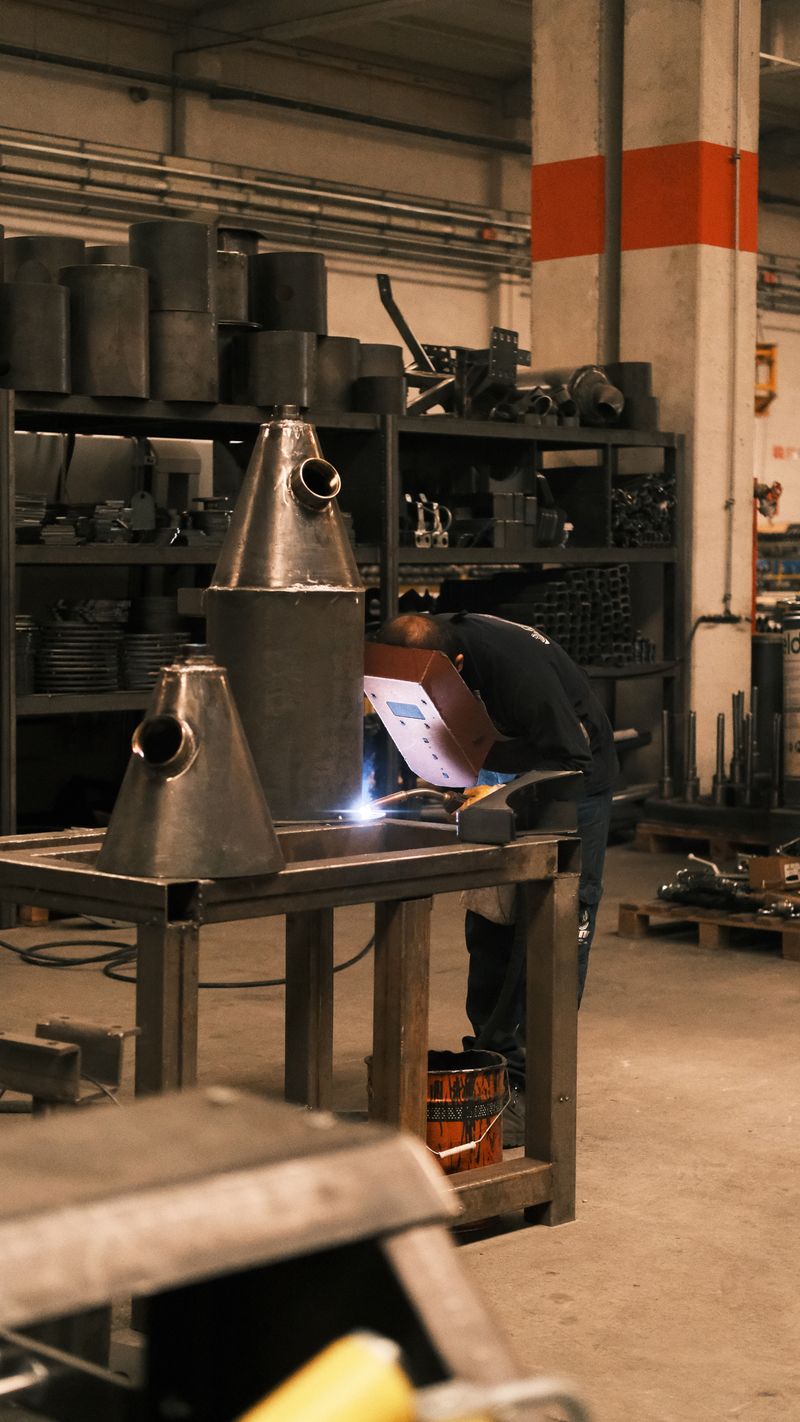
MIG vs TIG vs Stick Welding: Which Process Is Right for You?
Choosing the right welding process can make or break your project. Whether you are a hobbyist building a trailer in your garage or a professional fabricator working on structural steel, understanding the differences between MIG, TIG, and stick welding is essential. Each process has distinct advantages, limitations, and ideal applications.
This guide breaks down all three processes so you can make an informed decision.
Quick Answer: Match the Process to the Job
Use MIG for the fastest learning curve and productive indoor mild-steel work. Use TIG when precision, thin material, aluminum, stainless, or visible weld appearance matters most. Use stick for outdoor repairs, dirty steel, thick material, and portable field work.
If you are buying your first machine, choose based on the first three projects you actually plan to weld, not the process that sounds most advanced. A clean MIG setup beats an underpowered TIG machine for most beginner fabrication work.
What Is MIG Welding (GMAW)?
MIG welding, or Gas Metal Arc Welding (GMAW), uses a continuously fed wire electrode and a shielding gas to protect the weld pool from contamination. A trigger on the gun starts the wire feed and the arc simultaneously, making it one of the easiest processes to learn.
Advantages of MIG Welding
- Fast deposition rate — The continuous wire feed allows for high-speed welding, which boosts productivity on long seams.
- Easy to learn — Beginners can produce decent welds within hours of picking up a MIG gun.
- Clean welds — With the right shielding gas, MIG produces minimal spatter and slag, reducing cleanup time.
- Versatile — Works well on mild steel, stainless steel, and aluminum (with the right wire and gas setup).
Limitations of MIG Welding
- Requires a shielding gas supply, which adds cost and reduces portability.
- Outdoor use is challenging because wind can blow away the shielding gas.
- Not ideal for dirty or rusty materials without thorough cleaning first.
MIG is the go-to choice for automotive work, fabrication shops, and home projects. A solid entry-level machine like the Lincoln Electric Easy MIG 180 is a great starting point for beginners.
What Is TIG Welding (GTAW)?
TIG welding, or Gas Tungsten Arc Welding (GTAW), uses a non-consumable tungsten electrode to create the arc. The welder manually feeds filler rod into the weld pool with one hand while controlling the torch with the other. A foot pedal or fingertip control adjusts amperage on the fly.
Advantages of TIG Welding
- Superior weld quality — TIG produces the cleanest, most precise welds of any process, making it the standard for aerospace and food-grade stainless.
- Works on thin materials — The precise heat control allows welding on sheet metal as thin as 0.010 inches without burn-through.
- All-position welding — TIG excels in overhead and vertical positions where other processes struggle.
- No spatter — Since there is no consumable wire feeding through the arc, spatter is virtually nonexistent.
Limitations of TIG Welding
- Slow process — The manual filler feed makes TIG significantly slower than MIG.
- Steeper learning curve — Coordinating both hands and a foot pedal takes considerable practice.
- Requires clean materials — Any contamination shows up immediately in the weld bead.
TIG is the preferred process for pipe welding, aerospace components, and any application where appearance and precision matter. For a capable TIG machine, consider the Everlast PowerTIG 200DV.
What Is Stick Welding (SMAW)?
Stick welding, or Shielded Metal Arc Welding (SMAW), uses a consumable electrode coated in flux. The flux burns during welding, creating a shielding gas and a slag covering over the weld bead. It is the oldest and most widely used welding process in the world.
Advantages of Stick Welding
- Works on dirty and rusty metal — The aggressive arc can burn through surface contamination, making it ideal for field repairs.
- No gas required — This makes stick welding highly portable and usable outdoors in any weather.
- Simple equipment — A basic stick welder has minimal parts, reducing maintenance and cost.
- Wide electrode selection — Hundreds of electrode types are available for different metals and positions.
Limitations of Stick Welding
- Slower than MIG — You must stop to change electrodes frequently, and slag removal adds time.
- More spatter and cleanup — Chipping slag between passes is mandatory.
- Harder on thin material — Stick welding below 1/8-inch material requires significant skill.
Stick welding dominates in construction, pipeline work, shipbuilding, and outdoor repair. The Hobart Stickmate 160i is a reliable inverter-based stick welder for field use.
Head-to-Head Comparison
| Feature | MIG | TIG | Stick |
|---|---|---|---|
| Learning curve | Easy | Difficult | Moderate |
| Speed | Fast | Slow | Moderate |
| Weld quality | Good | Excellent | Good |
| Thin material | Good | Excellent | Poor |
| Outdoor use | Poor | Poor | Excellent |
| Portability | Low | Low | High |
| Equipment cost | Moderate | High | Low |
Which Process Should You Choose?
Choose MIG if you:
- Are a beginner looking for the fastest path to making good welds
- Work mostly indoors on clean, thin to medium-thickness metal
- Need high productivity on repetitive welds
- Work in automotive or general fabrication
Choose TIG if you:
- Need the highest quality, visually appealing welds
- Work with thin sheet metal, stainless steel, or aluminum
- Weld pipe or tubing that requires X-ray quality
- Have the patience to develop the skill over time
Choose Stick if you:
- Work outdoors or in windy conditions regularly
- Weld thick structural steel or cast iron
- Need a portable setup for field repairs
- Are on a tight budget and want simple equipment
Can You Learn More Than One Process?
Absolutely. Most professional welders are proficient in at least two of these processes. Many multi-process machines, like the YesWelder MIG-205DS, allow you to switch between MIG, TIG, and stick welding with a single unit. This versatility is invaluable as you take on a wider range of projects.
Process Choice by First Project
| First project | Best starting process | Why |
|---|---|---|
| Sheet-metal cart, brackets, or hobby fabrication | MIG | Fast learning curve and good control on mild steel |
| Outdoor equipment repair | Stick | Handles wind, dirtier steel, and thicker material better |
| Stainless table, aluminum part, or visible decorative weld | TIG | Best puddle control and cleanest finish |
| Farm gate or field repair | Stick or flux-core MIG | Portability matters more than appearance |
| Mixed home shop work | Multi-process machine | Lets you learn MIG first and add stick or TIG later |
Safety gear does not change with the process: use a proper helmet shade, gloves, fire-resistant clothing, ventilation, and fire watch. The easiest process is still hot work.
Final Thoughts
There is no single “best” welding process. The right choice depends on your material, environment, budget, and skill level. Many welders start with MIG for its simplicity, learn stick for field work, and eventually add TIG for precision projects. Each process opens new doors and expands what you can build.
Related Articles
- Flux-Cored Wire vs. Solid Wire helps you choose wire once MIG is the right process.
- How to Set Up a MIG Welder walks through wire installation, gas connection, voltage, and wire feed speed.
- Stick Welding Tips for Beginners covers electrode selection, arc striking, and practice progression.
- How to TIG Weld Aluminum explains why TIG setup and cleanliness matter so much.
- Common Welding Defects and How to Fix Them helps troubleshoot porosity, undercut, lack of fusion, and other process-specific problems.
Choose a process, then tune the setup
These related guides connect process selection to wire choice, setup, beginner practice, aluminum TIG, and defect troubleshooting.
- Flux-cored vs. solid wire
Compare MIG wire options for shielding, cleanup, and outdoor work.
- Set up a MIG welder
Walk through polarity, gas, wire, and test beads after choosing MIG.
- Stick welding tips
Review arc starts, rod angle, and beginner practice for SMAW.
- TIG weld aluminum
Understand AC TIG setup and practice expectations for aluminum.
- Common welding defects
Identify porosity, undercut, lack of fusion, and other defects.
- Weld defect glossary worksheet
Use the worksheet to record visual defects and likely causes while practicing.

The Welder's Guide Editorial Team
Independent trade-focused editorial team