Underwater Welding: Salary, Training, and the Real Dangers
Underwater Welding: Salary, Training, and the Real Dangers
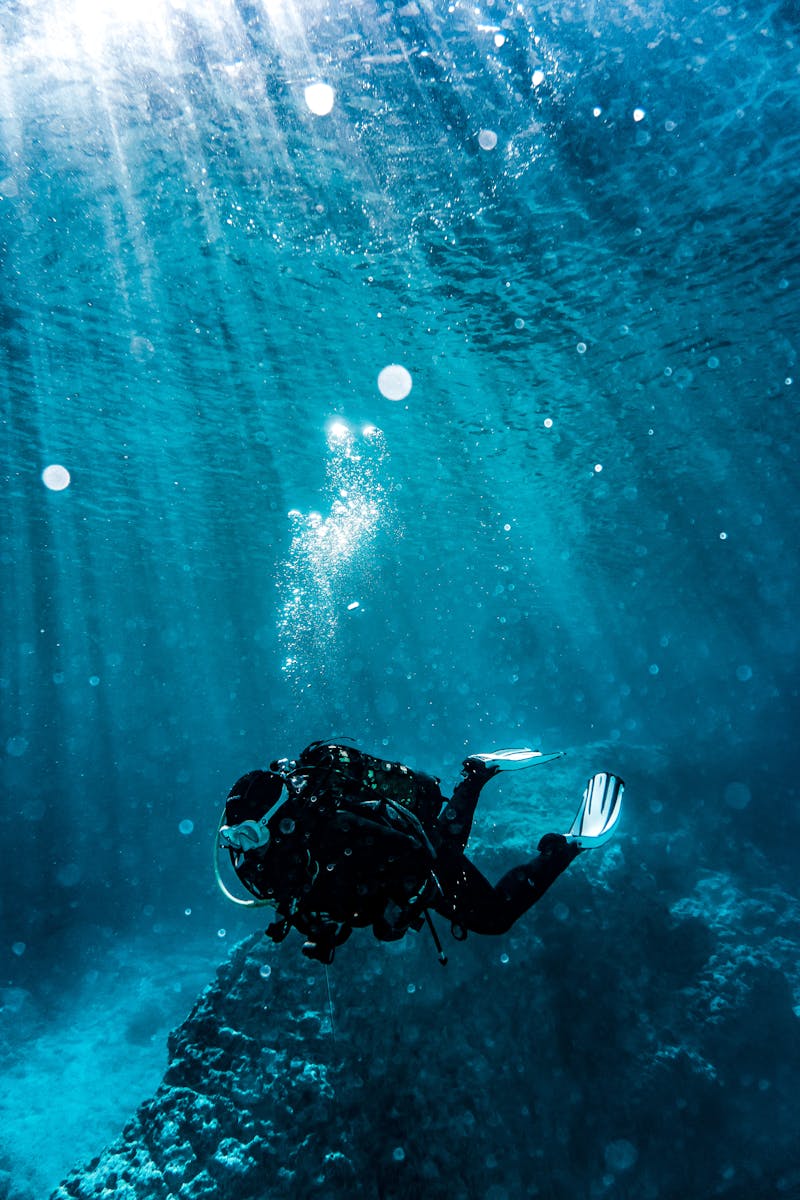
Underwater welding is one of the most romanticized and misunderstood specialties in the welding world. The image of a welder in full diving gear welding beneath the ocean surface captures imaginations and draws thousands of aspiring welders to research the career every year. The reality is more nuanced — and both better and more dangerous than the simplified image suggests.
This guide covers what underwater welding actually involves, what you earn, the certifications you need, the risks that make this one of the most dangerous occupations in any industry, and whether it is the right career path for you.
What Underwater Welding Actually Is
First, a clarification: most “underwater welding” is not performed while swimming in the open ocean. The field of commercial diving and underwater welding encompasses several distinct types of work:
Wet Welding
True underwater welding — performed by a diver in the water column, welding directly in the ambient water environment. This is the type most people imagine.
Applications: Emergency repairs to marine structures, ship hull repairs, temporary cofferdam work, and some inspection tasks.
Reality check: Wet welding is the least common type of underwater welding in commercial practice. The water environment degrades weld quality severely (hydrogen absorption, thermal quenching), and most structural welds must meet quality standards that wet welding cannot reliably achieve. Wet welding is typically used only for non-structural or temporary repairs.
Dry Hyperbaric Welding
The most common form of “underwater welding” in commercial practice. A pressurized habitat (cofferdam or habitat) is placed around the weld location on an underwater structure. The water is purged with gas (helium-oxygen for deep work, air or nitrox for shallower). The diver-welder enters the dry habitat and performs welds in a gaseous environment at ambient pressure.
Applications: Offshore oil platform leg repairs, pipeline repairs, subsea structure maintenance.
Advantage: The dry environment allows production-quality welds to be made. Weld quality approaches surface welding standards.
The catch: Hyperbaric welding is physically demanding. The diver breathes elevated-pressure gas for extended periods, requiring careful decompression procedures.
Saturation Diving
Saturation diving is the elite tier of commercial diving — divers live for weeks at a time in a pressurized habitat (saturation system) on a dive support vessel, matching the pressure of the work depth (typically 200–1,000+ feet of seawater). They make daily excursions to the work site via a diving bell, do the work, and return to the saturation system without decompressing between dives.
Applications: Deep offshore oil and gas pipeline repairs, subsea tie-ins, well intervention.
Earnings: Saturation divers earn $1,200–$1,500+/day in commercial offshore work. A four-week saturation run can generate $30,000–$40,000+.
Physical demand: Living in a pressurized environment for weeks at a time is psychologically and physically demanding. The confined spaces of a saturation system (essentially a pressurized tube shared with 2–3 other divers) require psychological resilience.
Surface-Supplied Diving (Topside Support)
Much commercial diving work involves surface-supplied diving — a diver with a full-face helmet connected by umbilical (air/gas supply, communication, video) to a support team on the surface. Work depth is typically 0–200 feet.
Surface-supplied divers perform inspection, cleaning, structure assessment, welding, and installation at port facilities, offshore platforms, bridge abutments, dam faces, and other submerged infrastructure.
Underwater Welding Salary
Pay varies enormously by diving type, employer, region, and project type:
Entry-Level Commercial Diver
- $25–$35/hour for non-saturation surface-supplied work
- Many entry-level divers start at $20–$25/hour doing inspection, cleaning, and non-welding work
Experienced Commercial Diver / Welder
- $40–$80/hour for offshore surface-supplied welding work
- $100–$200+/hour (implicit rate in per-day pay) for project-based offshore work
Saturation Diver
- $1,200–$1,500+/day in saturation on offshore projects
- Annual earnings: $100,000–$200,000+ for divers who work consistently
Inland / Coastal Diver
- $30–$55/hour for commercial diving work at ports, bridges, dams, and marine construction
- Less variation in conditions but lower peak earnings than offshore
Topside Tender (Entry Level to Diving)
- $18–$28/hour for topside support roles that are the entry point for most diving careers
- Tenders assist the diving supervisor, maintain equipment, and handle surface-side operations
The Real Dangers of Underwater Welding
Underwater welding has one of the highest fatality rates of any occupation. Understanding these risks is essential before entering the field.
1. Decompression Sickness (DCS / “The Bends”)
When a diver breathes pressurized gas underwater, nitrogen (and other gases) dissolve into body tissues under pressure. If the diver ascends too quickly, the dissolved gas comes out of solution as bubbles — similar to opening a carbonated beverage. Bubbles in blood, joints, and nervous tissue cause decompression sickness, ranging from joint pain to paralysis or death.
Prevention: Strict adherence to decompression schedules and dive tables. Never skip required decompression stops.
2. Drowning
Equipment failure, entanglement, sudden incapacitation, and disorientation can all lead to drowning. Surface-supplied diving’s umbilical provides some protection but is not foolproof.
3. Electric Shock / Electrocution
Wet welding presents unique electrocution risk. Saltwater is an excellent conductor. Welding current passing through the body can cause cardiac arrest. Modern DC wet welding with properly designed equipment significantly reduces (but does not eliminate) this risk.
Dry hyperbaric welding eliminates the direct electrocution risk but creates other hazards (fire, explosion).
4. Oxygen Toxicity
In deep saturation diving, oxygen partial pressure must be carefully managed. Oxygen toxicity causes convulsions — underwater, a convulsion is fatal.
5. Explosions and Fire in Hyperbaric Environments
In dry hyperbaric welding, the pressurized atmosphere is oxygen-enriched (required for diver respiration). In an oxygen-enriched environment, fire and explosion risk is dramatically higher than surface conditions. Strict fire prevention protocols are essential.
6. Nitrogen Narcosis
At depth (typically below 100 feet on air), nitrogen causes an intoxicating effect (“rapture of the deep”) that impairs judgment and motor control. Saturation divers breathing helium-oxygen mixtures avoid narcosis.
7. High-Pressure Nervous Syndrome (HPNS)
In very deep saturation diving (below 500 feet), HPNS can cause tremors, sleep disturbances, and cognitive impairment. Managed through slow compression rates.
How to Become an Underwater Welder
The path combines commercial diving training and welding certification.
Step 1: Become a Qualified Welder
Before diving school, you need welding skills. Most commercial diving employers expect surface welding competency:
- MIG welding proficiency
- Stick welding proficiency
- AWS performance qualification in SMAW or GMAW (preferred)
Complete a welding certificate or associate degree program first.
Step 2: Commercial Diver Training
Commercial diving school is where you learn underwater skills, equipment, and emergency procedures.
ADCI (Association of Diving Contractors International): The accreditation body for commercial diving training. Look for ADCI-recognized programs.
Top commercial diving schools:
- The Ocean Corporation (Houston, TX) — 900-hour program with underwater welding emphasis
- Divers Academy International (Camden, NJ) — ADCI-recognized program
- California Diving Academy — West Coast option
- International Diving Institute — Multiple locations
Program duration: Typically 600–900 hours of intensive training (4–6 months full-time)
Cost: $15,000–$30,000 for tuition
What diving schools teach:
- Surface supply and SCUBA diving
- Underwater cutting and welding
- Rigging and salvage
- Hyperbaric physics and physiology
- Decompression procedures
- Emergency response
Step 3: ADCI/IMCA Certification
The ADCI (U.S.) and IMCA (International Marine Contractors Association, internationally recognized) publish standards for commercial diver certification. Offshore operators require ADCI/IMCA-recognized certification for all divers.
Step 4: Entry-Level Work as Topside Tender
Most commercial divers begin as topside tenders — assisting the diving supervisor and learning operations from the surface. This entry-level period (typically 6–18 months) builds experience before working as a diver.
Some employers prefer to hire and train their own tenders rather than hiring directly from diving school. Company-specific training adds to the credential.
Step 5: Dive Job Accumulation
The commercial diving world tracks dives by type and depth. Building your dive log with offshore, construction, and welding dives qualifies you for higher-tier positions.
Step 6: Saturation Diving
Saturation diving positions are filled from experienced offshore divers with extensive dive logs and demonstrated reliability. It is not an entry-level position — expect 5–10 years of commercial diving experience before a saturation position is realistic.
Is Underwater Welding Right for You?
Good fit if you:
- Have genuine diving interest (not just attracted to the paycheck)
- Are physically fit and psychologically resilient
- Can work in confined spaces without anxiety
- Are comfortable with genuine occupational risk
- Are willing to spend months away from home on marine projects
Not a good fit if you:
- Are primarily motivated by salary figures without understanding the work
- Have claustrophobia or water anxiety
- Are not willing to accept above-average occupational risk
- Expect consistent local employment (offshore work requires travel)
The underwater welding career is real, the pay is real, and the danger is real. Approach it with clear eyes, proper training, and genuine commitment to safety — and it is a remarkable career. Approach it as a shortcut to high pay without understanding what it actually requires, and the risks become unacceptably high.

The Welder's Guide Editorial Team
Independent trade-focused editorial team